10 Guilt-Free Snacks That Are Actually Delicious
https://hillrecipes.com/wp-content/uploads/2024/12/1735486048.png
When cravings hit, many of us struggle with guilt over our snack choices. The good news is that snacking doesn’t have to come with a side of regret. There are plenty of tasty options that can satisfy your cravings without sabotaging your health and wellness goals. In this article, we’ll explore 10 guilt-free snacks that are not only healthy but delicious. From sweet to savory, you’ll find snacks to delight any palate. 1. Greek Yogurt with Honey and Berries Greek yogurt is a rich source of protein and probiotics, making it great for gut health. Top it with a drizzle […]
https://hillrecipes.com/10-guilt-free-snacks-that-are-actually-delicious/
10 Guilt-Free Snacks That Are Actually Delicious
https://hillrecipes.com/10-guilt-free-snacks-that-are-actually-delicious/
Showing posts with label Snail Kitchen. Show all posts
Showing posts with label Snail Kitchen. Show all posts
Input:
Post Content:
When cravings hit, many of us struggle with guilt over our snack choices. The good news is that snacking doesn't have to come with a side of regret. There are plenty of tasty options that can satisfy your cravings without sabotaging your health and wellness goals. In this article, we’ll explore 10 guilt-free snacks that are not only healthy but delicious. From sweet to savory, you'll find snacks to delight any palate.
1. Greek Yogurt with Honey and Berries
Greek yogurt is a rich source of protein and probiotics, making it great for gut health. Top it with a drizzle of honey and a handful of fresh berries for added flavor and antioxidants.
- Benefits: High in protein, low in sugar, probiotics.
- How to make: Spoon one cup of Greek yogurt into a bowl, drizzle with honey, and top with a mix of blueberries, strawberries, or raspberries.
2. Hummus and Veggie Sticks
Hummus made from chickpeas packs a protein punch and is rich in fiber. Pair it with your favorite crunchy vegetables like carrots, cucumbers, and bell peppers for a satisfying snack.
- Benefits: Fiber-rich, great for digestion and weight management.
- How to make: Serve store-bought or homemade hummus with an assortment of sliced vegetables.
3. Air-Popped Popcorn
Popcorn can be a healthy snack when prepared correctly. Air-popping allows you to avoid excess oils and fats. Sprinkle with a little salt or light seasoning for added flavor.
- Benefits: Whole grain, low in calories, and high in fiber.
- How to make: Use an air popper or cook kernels on the stovetop with minimal oil, then season to taste.
4. Almond Butter and Apple Slices
Almond butter is a delicious source of healthy fats and protein. Pairing it with crisp apple slices creates a perfect balance of sweetness and creaminess.
- Benefits: Healthy fats, protein, and fiber from almonds and apples.
- How to make: Slice up an apple and serve with a couple of tablespoons of almond butter for dipping.
5. Chia Seed Pudding
Chia seeds are a powerhouse of nutrients, packed with fiber, omega-3 fatty acids, and protein. Soak them overnight in almond milk, then sweeten with a bit of honey or maple syrup and top with fruit.
- Benefits: High in omega-3s, fiber-rich, excellent for hydration.
- How to make: Mix 1/4 cup chia seeds with 1 cup almond milk, sweeten, and refrigerate overnight.
6. Roasted Chickpeas
Roasted chickpeas are crunchy, satisfying, and make an excellent substitute for chips. Season them with your favorite spices for an added kick.
- Benefits: High in protein and fiber, gluten-free.
- How to make: Drain and rinse a can of chickpeas, toss them with olive oil and spices, and roast at 400°F for 25-30 minutes.
7. Nut and Seed Trail Mix
Homemade trail mix can be a nourishing snack packed with energy. Opt for unsalted nuts and seeds, and throw in some dried fruit for sweetness.
- Benefits: Good source of healthy fats, fibers, and minerals.
- How to make: Combine almonds, walnuts, sunflower seeds, pumpkin seeds, and a handful of dried cranberries or raisins.
8. Cottage Cheese with Pineapple
Cottage cheese is an excellent source of casein protein, which digests slowly and is perfect for a snack. Mixing it with pineapple provides natural sweetness and tropical flavor.
- Benefits: High in protein and low in fat.
- How to make: Serve one cup of cottage cheese with chunks of fresh pineapple.
9. Frozen Banana Bites
These are perfect for satisfying a sweet tooth. Slice bananas, dip them in dark chocolate, and freeze them for a cool treat.
- Benefits: Potassium-rich, can satisfy sweet cravings in a healthier way.
- How to make: Slice bananas, dip them in melted dark chocolate, place them on parchment paper, and freeze.
10. Rice Cakes with Avocado
Rice cakes are light and versatile. Top them with mashed avocado, a sprinkle of salt, and a squeeze of lime for a refreshing snack.
- Benefits: Low in calories, high in healthy fats and fiber.
- How to make: Spread half an avocado on a plain rice cake, and season as desired.
Conclusion
Snacking doesn't have to be a guilty pleasure. By choosing healthier alternatives, you can satisfy your cravings while nourishing your body. The snacks listed above provide a variety of flavors and textures, ensuring there's something for everyone. Incorporate them into your daily routine for delicious guilt-free options that keep you feeling good and energized!
FAQs
1. Are these snacks suitable for weight loss?
Yes, all these snacks are nutritious and can fit into a balanced diet for weight loss, especially when consumed in moderation.
2. Can I customize these snacks?
Absolutely! Feel free to add your favorite toppings and seasonings to personalize these snacks to your taste.
3. How can I store these snacks?
Most of these snacks can be prepared in advance and stored in the fridge or pantry. It's best to consume them fresh if possible, but they can often last a few days in sealed containers.
4. Are there any allergy considerations?
Some snacks contain common allergens like nuts and dairy. Always check for allergies before preparing or sharing these snacks.
5. Can these snacks be made in bulk?
Many of these snacks can be easily doubled or tripled for meal prep. For example, roasted chickpeas and trail mixes store well, making them perfect for batch cooking.
It seems like you might be looking for a specific prompt or topic to discuss. Could you provide more details or specify what kind of prompt you're interested in? For example, are you looking for writing prompts, creative ideas, discussion topics, or something else?, #GuiltFree #Snacks #Delicious, #GuiltFree #Snacks #Delicious, 1735486035, 10-guilt-free-snacks-that-are-actually-delicious
Task for AI:
Generate a unique, concise, and engaging post title based on the provided content.
Output Requirements:
✅ Keep the title within 10–15 words.
✅ Make it attention-grabbing and relevant to the content.
✅ Use persuasive or intriguing language to spark interest.
✅ Avoid generic or vague phrasing—make it stand out!
Please write in English language.
FAQs
1. Are these snacks suitable for weight loss?
Yes, all these snacks are nutritious and can fit into a balanced diet for weight loss, especially when consumed in moderation.
2. Can I customize these snacks?
Absolutely! Feel free to add your favorite toppings and seasonings to personalize these snacks to your taste.
3. How can I store these snacks?
Most of these snacks can be prepared in advance and stored in the fridge or pantry. It's best to consume them fresh if possible, but they can often last a few days in sealed containers.
4. Are there any allergy considerations?
Some snacks contain common allergens like nuts and dairy. Always check for allergies before preparing or sharing these snacks.
5. Can these snacks be made in bulk?
Many of these snacks can be easily doubled or tripled for meal prep. For example, roasted chickpeas and trail mixes store well, making them perfect for batch cooking.

Input:
Post Content:
Introduction
When it comes to culinary delights, few dishes evoke as much intrigue and curiosity as snail stew. Snails have been consumed in various cultures around the world for centuries, often symbolizing luxury and sophistication. In this article, we will embark on a culinary adventure exploring the exquisite taste of snail stew, the historical context behind the dish, its preparation, and how it has established itself in the modern gastronomic landscape.
The History of Snail Consumption
The consumption of snails dates back to ancient times. Archaeological evidence suggests that they were consumed by the Romans, as documented in the works of renowned Roman chefs like Apicius. The Romans believed that snails were a delicacy and considered them important for their high nutritional value.
Over the centuries, various cultures have incorporated snails into their culinary traditions. In France, they are often associated with high-end cuisine, particularly in the famous dish escargot.
In other regions, such as Africa and Asia, snails represent a vital source of protein and are often prepared using local spices and ingredients. The versatility of snails in the kitchen is a testament to their global significance in culinary history.
The Nutritional Value of Snails
Snails are not only a culinary delicacy but also a nutritious food source. They are low in calories and high in protein, making them an excellent choice for those looking to maintain a healthy diet. Snails are also rich in vitamins and minerals, including copper, iron, magnesium, and vitamin B12.
This combination of nutrients not only supports overall health but also contributes to the dish's appeal in gourmet cuisine. Understanding the nutritional benefits of snails adds another layer to the culinary experience, making it both indulgent and beneficial.
Preparation: How to Prepare Snail Stew
Preparing snail stew begins with selecting the right snails. Traditionally, garden snails are preferred, but one must ensure they are sourced from safe and clean environments. Following the guidelines for prepping snails is crucial to ensure safety and taste.
Step 1: Cleaning the Snails
Before cooking, snails should be cleansed of impurities. This can be done by placing them in a container with cornmeal for 24 hours to purge their digestive systems. Rinse them thoroughly with water afterward.
Step 2: Cooking the Snails
Boiling the snails for about 10-15 minutes in salted water is a common method to tenderize them. After boiling, they can be removed from their shells using a small fork.
Step 3: Preparing the Stew
For the stew, you will need aromatic ingredients such as garlic, onions, and herbs (like thyme and parsley). Sauté these ingredients in olive oil or butter until fragrant. Add diced tomatoes, wine, and broth to create a flavorful base. Incorporate the snails and allow them to simmer for an hour, allowing the flavors to meld.
Step 4: Serving
Snail stew is typically served with crusty bread or over a bed of rice or polenta. Garnish with freshly chopped herbs for a touch of color and added flavor.
Pairing Snail Stew with Beverages
When it comes to pairing beverages with snail stew, the options are abundant. White wines, particularly those with high acidity like Sauvignon Blanc, enhance the dish's flavors. If you prefer non-alcoholic options, a chilled herbal tea or sparkling water with lemon can effectively complement the stew.
The Cultural Significance of Snail Stew
In many cultures, snail stew is not just a dish but an experience that brings people together. In France, it is often served during gatherings and festivities, symbolizing abundance and celebration. In other cultures, snails represent an important source of nutrition, prepared with local ingredients that reflect regional customs and traditions.
Exploring this cultural significance can enrich the culinary experience, as you learn about the stories and traditions behind the dish and its preparation.
Modern Trends in Snail Stew Preparation
In recent years, the culinary world has seen a resurgence of interest in traditional dishes, and snail stew is no exception. Chefs are experimenting with flavors and ingredients, introducing unique twists to this classic dish. Some modern interpretations include the incorporation of spices from global cuisines, such as curry or Asian spices, offering new dimensions to the flavor profile.
Additionally, there is a growing movement towards sustainable and ethical food sourcing practices. More chefs are prioritizing culinary practices that support local farmers and promote environmentally conscious choices.
The Experience of Eating Snail Stew
Eating snail stew is an experience that engages all senses. The aroma of the simmering stew wafts through the kitchen, enticing anyone nearby to partake. The rich, robust flavors on the palate evoke a sense of indulgence, and the texture of the snails offers a unique contrast to the tender stew. For many, it is an exploration of new tastes and the embrace of diverse culinary traditions.
The act of sharing snail stew at a dinner table fosters a sense of connection among diners, making it more than just a meal. It encourages conversations about food, culture, and personal experiences, creating lasting memories.
Conclusion
Snail stew is a remarkable dish that encapsulates tradition, culture, and culinary elegance. From its historical roots to its modern interpretations, snails have made their mark in the world of gastronomy. The richness of flavors, coupled with the nutritional benefits and cultural significance, makes it a unique offering for adventurous eaters and culinary enthusiasts alike.
Whether you are preparing snail stew at home or enjoying it at a fine restaurant, the experience is bound to be memorable. As we continue to explore new culinary frontiers, let us embrace the exquisite taste of snail stew and celebrate the diversity it brings to our dining tables.
FAQs
1. Are snails safe to eat?
Yes, as long as they are sourced from clean environments and properly prepared. It is crucial to clean and purge the snails thoroughly before cooking them.
2. Can I make snail stew in advance?
Absolutely! Snail stew can be made in advance and stored in the refrigerator for a couple of days. Flavors often deepen over time, making it even more delicious when reheated.
3. What types of snails are best for stew?
The most commonly used snails for culinary purposes are garden snails (Helix aspersa) and Burgundy snails (Helix pomatia). Ensure they are sourced from safe and reputable vendors.
4. How do I know if my snails are fresh?
Fresh snails should have hard, undamaged shells and a healthy appearance. If they are alive, they should retract into their shells if touched. Avoid any snails with an odor or damaged shells.
5. Can I substitute snails with other ingredients?
While snails have a unique flavor and texture, you could try using mushrooms or other seafood as a substitute in stew recipes to achieve a different culinary experience.
Task for AI:
Generate a unique, concise, and engaging post title based on the provided content.
Output Requirements:
✅ Keep the title within 10–15 words.
✅ Make it attention-grabbing and relevant to the content.
✅ Use persuasive or intriguing language to spark interest.
✅ Avoid generic or vague phrasing—make it stand out!
Please write in English language.
Introduction
When it comes to culinary delights, few dishes evoke as much intrigue and curiosity as snail stew. Snails have been consumed in various cultures around the world for centuries, often symbolizing luxury and sophistication. In this article, we will embark on a culinary adventure exploring the exquisite taste of snail stew, the historical context behind the dish, its preparation, and how it has established itself in the modern gastronomic landscape.
The History of Snail Consumption
The consumption of snails dates back to ancient times. Archaeological evidence suggests that they were consumed by the Romans, as documented in the works of renowned Roman chefs like Apicius. The Romans believed that snails were a delicacy and considered them important for their high nutritional value.
Over the centuries, various cultures have incorporated snails into their culinary traditions. In France, they are often associated with high-end cuisine, particularly in the famous dish escargot.
In other regions, such as Africa and Asia, snails represent a vital source of protein and are often prepared using local spices and ingredients. The versatility of snails in the kitchen is a testament to their global significance in culinary history.
The Nutritional Value of Snails
Snails are not only a culinary delicacy but also a nutritious food source. They are low in calories and high in protein, making them an excellent choice for those looking to maintain a healthy diet. Snails are also rich in vitamins and minerals, including copper, iron, magnesium, and vitamin B12.
This combination of nutrients not only supports overall health but also contributes to the dish's appeal in gourmet cuisine. Understanding the nutritional benefits of snails adds another layer to the culinary experience, making it both indulgent and beneficial.
Preparation: How to Prepare Snail Stew
Preparing snail stew begins with selecting the right snails. Traditionally, garden snails are preferred, but one must ensure they are sourced from safe and clean environments. Following the guidelines for prepping snails is crucial to ensure safety and taste.
Step 1: Cleaning the Snails
Before cooking, snails should be cleansed of impurities. This can be done by placing them in a container with cornmeal for 24 hours to purge their digestive systems. Rinse them thoroughly with water afterward.
Step 2: Cooking the Snails
Boiling the snails for about 10-15 minutes in salted water is a common method to tenderize them. After boiling, they can be removed from their shells using a small fork.
Step 3: Preparing the Stew
For the stew, you will need aromatic ingredients such as garlic, onions, and herbs (like thyme and parsley). Sauté these ingredients in olive oil or butter until fragrant. Add diced tomatoes, wine, and broth to create a flavorful base. Incorporate the snails and allow them to simmer for an hour, allowing the flavors to meld.
Step 4: Serving
Snail stew is typically served with crusty bread or over a bed of rice or polenta. Garnish with freshly chopped herbs for a touch of color and added flavor.
Pairing Snail Stew with Beverages
When it comes to pairing beverages with snail stew, the options are abundant. White wines, particularly those with high acidity like Sauvignon Blanc, enhance the dish's flavors. If you prefer non-alcoholic options, a chilled herbal tea or sparkling water with lemon can effectively complement the stew.
The Cultural Significance of Snail Stew
In many cultures, snail stew is not just a dish but an experience that brings people together. In France, it is often served during gatherings and festivities, symbolizing abundance and celebration. In other cultures, snails represent an important source of nutrition, prepared with local ingredients that reflect regional customs and traditions.
Exploring this cultural significance can enrich the culinary experience, as you learn about the stories and traditions behind the dish and its preparation.
Modern Trends in Snail Stew Preparation
In recent years, the culinary world has seen a resurgence of interest in traditional dishes, and snail stew is no exception. Chefs are experimenting with flavors and ingredients, introducing unique twists to this classic dish. Some modern interpretations include the incorporation of spices from global cuisines, such as curry or Asian spices, offering new dimensions to the flavor profile.
Additionally, there is a growing movement towards sustainable and ethical food sourcing practices. More chefs are prioritizing culinary practices that support local farmers and promote environmentally conscious choices.
The Experience of Eating Snail Stew
Eating snail stew is an experience that engages all senses. The aroma of the simmering stew wafts through the kitchen, enticing anyone nearby to partake. The rich, robust flavors on the palate evoke a sense of indulgence, and the texture of the snails offers a unique contrast to the tender stew. For many, it is an exploration of new tastes and the embrace of diverse culinary traditions.
The act of sharing snail stew at a dinner table fosters a sense of connection among diners, making it more than just a meal. It encourages conversations about food, culture, and personal experiences, creating lasting memories.
Conclusion
Snail stew is a remarkable dish that encapsulates tradition, culture, and culinary elegance. From its historical roots to its modern interpretations, snails have made their mark in the world of gastronomy. The richness of flavors, coupled with the nutritional benefits and cultural significance, makes it a unique offering for adventurous eaters and culinary enthusiasts alike.
Whether you are preparing snail stew at home or enjoying it at a fine restaurant, the experience is bound to be memorable. As we continue to explore new culinary frontiers, let us embrace the exquisite taste of snail stew and celebrate the diversity it brings to our dining tables.
FAQs
1. Are snails safe to eat?
Yes, as long as they are sourced from clean environments and properly prepared. It is crucial to clean and purge the snails thoroughly before cooking them.
2. Can I make snail stew in advance?
Absolutely! Snail stew can be made in advance and stored in the refrigerator for a couple of days. Flavors often deepen over time, making it even more delicious when reheated.
3. What types of snails are best for stew?
The most commonly used snails for culinary purposes are garden snails (Helix aspersa) and Burgundy snails (Helix pomatia). Ensure they are sourced from safe and reputable vendors.
4. How do I know if my snails are fresh?
Fresh snails should have hard, undamaged shells and a healthy appearance. If they are alive, they should retract into their shells if touched. Avoid any snails with an odor or damaged shells.
5. Can I substitute snails with other ingredients?
While snails have a unique flavor and texture, you could try using mushrooms or other seafood as a substitute in stew recipes to achieve a different culinary experience.
The Exquisite Taste of Snail Stew: A Culinary Adventure
https://hillrecipes.com/wp-content/uploads/2025/01/1737075609.png
When it comes to culinary delights, few dishes evoke as much intrigue and curiosity as snail stew. Snails have been consumed in various cultures around the world for centuries, often symbolizing luxury and sophistication. In this article, we will embark on a culinary adventure exploring the exquisite taste of snail stew, the historical context behind the dish, its preparation, and how it has established itself in the modern gastronomic landscape.
https://hillrecipes.com/the-exquisite-taste-of-snail-stew-a-culinary-adventure/
The Exquisite Taste of Snail Stew: A Culinary Adventure
https://hillrecipes.com/the-exquisite-taste-of-snail-stew-a-culinary-adventure/
https://hillrecipes.com/wp-content/uploads/2025/01/1737075609.png
When it comes to culinary delights, few dishes evoke as much intrigue and curiosity as snail stew. Snails have been consumed in various cultures around the world for centuries, often symbolizing luxury and sophistication. In this article, we will embark on a culinary adventure exploring the exquisite taste of snail stew, the historical context behind the dish, its preparation, and how it has established itself in the modern gastronomic landscape.
https://hillrecipes.com/the-exquisite-taste-of-snail-stew-a-culinary-adventure/
The Exquisite Taste of Snail Stew: A Culinary Adventure
https://hillrecipes.com/the-exquisite-taste-of-snail-stew-a-culinary-adventure/
Input:
Post Content:
Breakfast is often touted as the most important meal of the day, setting the tone for your energy levels and productivity. For those with gluten sensitivities or celiac disease, finding breakfast options that are not only safe but also delicious can sometimes be a challenge. Fear not! We’ve compiled a list of 10 scrumptious gluten-free breakfast ideas that will satisfy your cravings and set you on a positive path for the day. Let’s dive into these delightful options!
1. Quinoa Porridge with Fresh Fruits
Quinoa is a fantastic gluten-free grain that’s high in protein and fiber. To make a warm and comforting quinoa porridge, simply rinse 1 cup of quinoa, then cook it in 2 cups of dairy or non-dairy milk over medium heat. Once it’s tender, sweeten it with honey or maple syrup, and top it with your favorite fresh fruits such as berries, bananas, or apples. Finish with a sprinkle of cinnamon or nuts for added flavor and crunch.
2. Gluten-Free Banana Pancakes
Who doesn’t love pancakes? By using gluten-free flour or almond flour, you can whip up a batch of fluffy banana pancakes. To prepare, mash 2 ripe bananas in a bowl, mix in 2 eggs, and stir in 1 cup of gluten-free flour and 1 teaspoon of baking powder. Cook on a hot skillet until golden brown on both sides. Serve with fresh fruit, maple syrup, or a dollop of yogurt for a tasty treat!
3. Chia Seed Pudding
Chia seeds are packed with nutrients and offer a wonderful way to start your day with sustained energy. To make chia seed pudding, combine 1/4 cup of chia seeds with 1 cup of dairy or non-dairy milk and a sweetener of your choice. Mix well and let it sit in the refrigerator overnight. In the morning, add toppings such as fruit, nuts, or granola for a delicious and nutritious breakfast.
4. Savory Sweet Potato Hash
Sweet potatoes are not only gluten-free but also rich in vitamins and fiber. For a savory breakfast hash, diced sweet potatoes sautéed with bell peppers, onions, and your choice of spices create a vibrant dish. Cook them until tender and slightly crispy, and top with a fried or poached egg for added protein. Garnish with avocado slices for a satisfying meal.
5. Smoothie Bowl
A smoothie bowl is a great way to get in your daily dose of fruits and veggies. Blend together a banana, a handful of spinach, a cup of frozen berries, and a splash of almond milk until smooth. Pour the mixture into a bowl and layer with sliced fruits, nuts, seeds, and gluten-free granola. This thick, colorful treat is as nutritious as it is Instagram-friendly!
6. Egg Muffins
Egg muffins are versatile and perfect for meal prep. Whisk together eggs and add in your choice of vegetables, cheese, and proteins such as diced ham or cooked bacon. Pour the mixture into a greased muffin tin and bake at 350°F (175°C) for about 20 minutes or until set. These mini frittatas can be stored in the fridge and are perfect for a quick grab-and-go breakfast.
7. Overnight Oats with Nuts and Seeds
Overnight oats are a simple yet satisfying breakfast option. In a mason jar, combine 1/2 cup of gluten-free oats, 1 cup of milk, and your favorite toppings such as nuts, seeds, and dried fruits. Let it sit in the refrigerator overnight, and in the morning, you’ll have a creamy and delicious breakfast waiting for you. Add a dollop of yogurt for extra creaminess!
8. Almond Butter Toast with Apple Slices
If you’re looking for something quick and nutritious, gluten-free bread spread with almond butter and topped with apple slices is a great choice. The combination of protein, healthy fats, and carbohydrates will keep you full and energized. You can sprinkle some cinnamon on top for an extra layer of flavor or drizzle with honey for added sweetness.
9. Smoothie with Spinach and Avocado
This green smoothie not only looks good but is also incredibly nutritious. Blend 1 ripe avocado, a handful of fresh spinach, 1 banana, and a cup of almond milk until smooth. This creamy smoothie is rich in healthy fats, vitamins, and minerals, offering a refreshing boost to your morning energy levels.
10. Greek Yogurt Parfait
For a quick and easy breakfast, a Greek yogurt parfait is a winner. Layer Greek yogurt with fresh fruits and gluten-free granola in a bowl or jar. This protein-packed option is filling and can be customized with your favorite toppings. Drizzle with honey for a touch of sweetness if desired.
Conclusion
There you have it – 10 delicious gluten-free breakfast ideas that are sure to kickstart your day on a positive note! Whether you prefer sweet or savory options, these recipes are simple to prepare, packed with nutrients, and incredibly satisfying. Integrating a variety of flavors and textures into your breakfast routine not only helps to keep things exciting but also ensures that you’re consuming a balanced meal. So, get creative in the kitchen and enjoy these morning delights!
Frequently Asked Questions (FAQs)
1. Are all oats gluten-free?
No, most oats are processed in facilities that also handle wheat, which can lead to cross-contamination. Look for oats that are specifically labeled as gluten-free to ensure they have not been contaminated.
2. Can I substitute regular flour with gluten-free flour in my recipes?
Generally, yes. However, gluten-free flours behave differently than wheat flour, so you may need to adjust the quantities and add binding agents like xanthan gum or psyllium husk to achieve a similar texture.
3. What are some good sources of gluten-free proteins for breakfast?
Good gluten-free protein sources for breakfast include eggs, Greek yogurt, nut butters, seeds, legumes, and gluten-free protein powders.
4. How can I make my breakfast more nutritious?
You can increase the nutrition of your breakfast by incorporating colorful vegetables, healthy fats (like avocados and nuts), and protein sources to create a well-balanced meal.
5. Can I meal prep gluten-free breakfasts?
Absolutely! Many of the recipes mentioned can be prepared in advance, making them perfect for busy mornings. Just store them in airtight containers in the fridge for easy access.
It seems like you might be looking for a prompt to get started on a writing project or creative task. Here are a few ideas across different genres:
Fiction Prompts:
-
Fantasy: In a realm where people's emotions manifest as physical entities, a young mage discovers a hidden type of emotion that has the power to alter reality itself.
-
Science Fiction: After Earth has been abandoned for centuries, an artificial intelligence remains to protect the remnants of humanity's history, until a group of explorers lands with sinister intentions.
- Mystery: A renowned detective finds an old photograph at a crime scene that appears to feature a victim long before they were ever killed. Who is the person in the photo, and what is their connection to the case?
Non-Fiction Prompts:
-
Personal Essay: Write about a time you faced a significant challenge and how it shaped your character or perspective in life.
-
Travel Writing: Describe a destination you visited that transformed your understanding of a particular culture or way of life.
- Historical Analysis: Explore the impact of a specific technological innovation on society during a given period in history.
Poetry Prompts:
-
Write a poem from the perspective of an inanimate object in your room, reflecting on its role and purpose in your life.
-
Create a poem using only one-syllable words that captures a moment of bliss.
- Write a haiku about a season that resonates with you most.
Art Prompts:
-
Create a piece that visualizes your interpretation of "home," using any medium you choose.
-
Illustrate a scene from your favorite book, emphasizing the emotions and atmosphere conveyed in the text.
- Make a collage that represents your aspirations for the next five years.
Feel free to choose any of these prompts, or let me know if you're looking for something specific!
, #Delicious #GlutenFree #Breakfast #Ideas #Kickstart #Day, #Delicious #GlutenFree #Breakfast #Ideas #Kickstart #Day, 1734725715, 10-delicious-gluten-free-breakfast-ideas-to-kickstart-your-day
Task for AI:
Generate a unique, concise, and engaging post title based on the provided content.
Output Requirements:
✅ Keep the title within 10–15 words.
✅ Make it attention-grabbing and relevant to the content.
✅ Use persuasive or intriguing language to spark interest.
✅ Avoid generic or vague phrasing—make it stand out!
Please write in English language.
Frequently Asked Questions (FAQs)
1. Are all oats gluten-free?
No, most oats are processed in facilities that also handle wheat, which can lead to cross-contamination. Look for oats that are specifically labeled as gluten-free to ensure they have not been contaminated.
2. Can I substitute regular flour with gluten-free flour in my recipes?
Generally, yes. However, gluten-free flours behave differently than wheat flour, so you may need to adjust the quantities and add binding agents like xanthan gum or psyllium husk to achieve a similar texture.
3. What are some good sources of gluten-free proteins for breakfast?
Good gluten-free protein sources for breakfast include eggs, Greek yogurt, nut butters, seeds, legumes, and gluten-free protein powders.
4. How can I make my breakfast more nutritious?
You can increase the nutrition of your breakfast by incorporating colorful vegetables, healthy fats (like avocados and nuts), and protein sources to create a well-balanced meal.
5. Can I meal prep gluten-free breakfasts?
Absolutely! Many of the recipes mentioned can be prepared in advance, making them perfect for busy mornings. Just store them in airtight containers in the fridge for easy access.
Fantasy: In a realm where people's emotions manifest as physical entities, a young mage discovers a hidden type of emotion that has the power to alter reality itself.
Science Fiction: After Earth has been abandoned for centuries, an artificial intelligence remains to protect the remnants of humanity's history, until a group of explorers lands with sinister intentions.
Personal Essay: Write about a time you faced a significant challenge and how it shaped your character or perspective in life.
Travel Writing: Describe a destination you visited that transformed your understanding of a particular culture or way of life.
Write a poem from the perspective of an inanimate object in your room, reflecting on its role and purpose in your life.
Create a poem using only one-syllable words that captures a moment of bliss.
Create a piece that visualizes your interpretation of "home," using any medium you choose.
Illustrate a scene from your favorite book, emphasizing the emotions and atmosphere conveyed in the text.
10 Delicious Gluten-Free Breakfast Ideas to Kickstart Your Day
https://hillrecipes.com/wp-content/uploads/2024/12/1734725736.png
Breakfast is often touted as the most important meal of the day, setting the tone for your energy levels and productivity. For those with gluten sensitivities or celiac disease, finding breakfast options that are not only safe but also delicious can sometimes be a challenge. Fear not! We’ve compiled a list of 10 scrumptious gluten-free breakfast ideas that will satisfy your cravings and set you on a positive path for the day. Let’s dive into these delightful options! 1. Quinoa Porridge with Fresh Fruits Quinoa is a fantastic gluten-free grain that’s high in protein and fiber. To make a warm […]
https://hillrecipes.com/10-delicious-gluten-free-breakfast-ideas-to-kickstart-your-day/
10 Delicious Gluten-Free Breakfast Ideas to Kickstart Your Day
https://hillrecipes.com/10-delicious-gluten-free-breakfast-ideas-to-kickstart-your-day/
https://hillrecipes.com/wp-content/uploads/2024/12/1734725736.png
Breakfast is often touted as the most important meal of the day, setting the tone for your energy levels and productivity. For those with gluten sensitivities or celiac disease, finding breakfast options that are not only safe but also delicious can sometimes be a challenge. Fear not! We’ve compiled a list of 10 scrumptious gluten-free breakfast ideas that will satisfy your cravings and set you on a positive path for the day. Let’s dive into these delightful options! 1. Quinoa Porridge with Fresh Fruits Quinoa is a fantastic gluten-free grain that’s high in protein and fiber. To make a warm […]
https://hillrecipes.com/10-delicious-gluten-free-breakfast-ideas-to-kickstart-your-day/
10 Delicious Gluten-Free Breakfast Ideas to Kickstart Your Day
https://hillrecipes.com/10-delicious-gluten-free-breakfast-ideas-to-kickstart-your-day/
Elevate Your Culinary Skills: Master the Art of Cooking Delicious Escargot
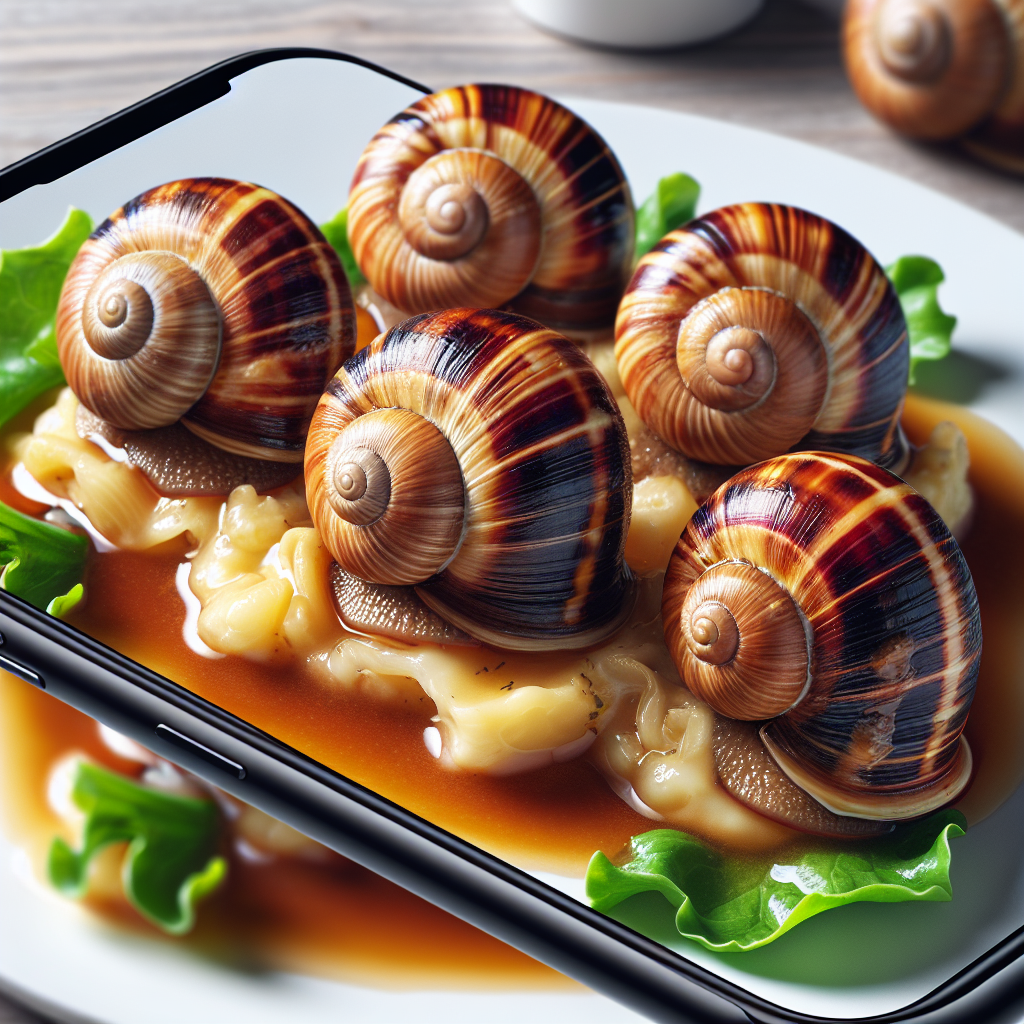
Mastering Escargot: Essential Tips for the Perfect Snail Dish
Escargot, often hailed as a delicate delicacy, is a dish that can elevate your culinary repertoire and impress guests with its unique flavor and elegant presentation. Fear not if you’ve never prepared escargot before; with a little guidance and the right approach, you can master the art of cooking these tender morsels. In this guide, we’ll walk you through everything you need to know about preparing this exquisite dish, covering essential tips, techniques, and even providing a tantalizing recipe.
Understanding the Ingredient
Before diving into the cooking process, let’s take a moment to understand the star of the dish: snails. While the idea of consuming snails may seem daunting, they are rich in protein and low in fat, with a flavor that beautifully absorbs the seasonings and ingredients they are cooked with. The key to a successful escargot dish lies in selecting high-quality snails and preparing them properly.
Choosing Your Snails
When selecting snails, you can find two popular varieties: Helix pomatia (often referred to as land snails) and Helix aspersa. While either is suitable, it’s best to choose snails that have been purged and prepared for culinary use, often found in cans or jars in gourmet grocery stores. For a more fresh twist, you can consider snails available in the shell, which often have a superior texture and flavor.
Preparation
Purging
If you're using snails that haven’t been pre-purged, you will need to prepare them ahead of time. Place the snails in a breathable container and feed them cornmeal or lettuce for a day or two to cleanse their systems. Rinse them thoroughly under cold water after this period, ensuring they are clean and free from grit.
Cooking
Once your snails are ready, it's time to incorporate them into a sumptuous dish. Let’s create a vibrant take on the classic escargot recipe with a focus on flavor.
Snail Preparation Recipe
Title: Herbed Garlic Snails with Savory Mushrooms
Ingredients
- 1 can (approximately 12 ounces) of prepared snails, rinsed and drained
- 1 cup of finely chopped mushrooms (preferably button or cremini)
- 4 tablespoons unsalted butter, softened
- 4 cloves of garlic, minced
- 2 tablespoons fresh parsley, finely chopped
- 1 tablespoon fresh thyme, finely chopped
- 1 tablespoon fresh lemon juice
- 1/4 teaspoon red pepper flakes (adjust for spice preference)
- Salt and black pepper to taste
- Baguette slices for serving (optional)
Instructions
Preheat Your Oven: Begin by preheating your oven to 375°F (190°C). This will ensure it’s hot enough to properly cook and flavor the snails.
Sauté the Mushrooms: In a skillet over medium heat, melt 1 tablespoon of the butter. Once melted, add the finely chopped mushrooms. Sauté for about 5-7 minutes or until they are golden brown and have released their moisture. Season lightly with salt and black pepper. Once done, set the mushrooms aside to cool.
Make the Herb Butter: In a mixing bowl, combine the remaining softened butter, minced garlic, parsley, thyme, lemon juice, and red pepper flakes. Mix until well combined. This aromatic herb butter is what will infuse the snails with flavor.
Combine the Ingredients: Gently fold the sautéed mushrooms into the herb butter mixture. Ensure the mushrooms are evenly coated with the butter, as this will flavor the snails beautifully.
Prepare the Snails: Take your snails and place them in an escargot dish or a muffin tin (if you don’t have an escargot dish, any oven-safe dish will do). Make sure each shell holds its snail securely.
Fill the Shells: Spoon a generous amount of the herb mushroom butter mixture into each snail shell, covering them completely. Don’t be shy; the more butter, the better!
Bake to Perfection: Once all shells are filled, place your dish in the preheated oven. Bake for about 12-15 minutes, or until the butter is bubbling and fragrant. You want the edges to start turning a lovely golden brown.
- Serve Hot: Carefully remove the dish from the oven (it will be hot!) and let it rest for a minute. Serve immediately with slices of baguette to soak up the delicious garlic herb butter.
Essential Tips for Mastering Escargot
Choose Quality Ingredients: The better the quality of your snails and accompanying ingredients, the more flavorful your dish will be. Choose farm-raised or organic options when possible.
Control the Heat: Maintaining a steady cooking temperature is essential for properly cooking the snails without overcooking them. If they cook too long, they can become rubbery.
Experiment with Flavors: While garlic butter is classic, feel free to explore other flavor profiles. Adding herbs like chervil or tarragon can give an interesting twist, and citrus zest can brighten up the dish.
Serving Presentation: Presentation can elevate your dish immensely. Using decorative shells, a beautiful dish, or even delicate greenery will enhance the dining experience.
- Perfect Pairings: Consider serving your escargot with a light salad or alongside a creamy vegetable purée for a satisfying meal. Pairing it with crusty bread is traditional, allowing for a delightful balance of textures.
Conclusion
Mastering the art of escargot doesn’t have to be an intimidating feat. With the right ingredients, preparation, and encouragement to experiment, you can bring the rich traditions of French cuisine into your home kitchen. As you gain confidence, try different variations, share the experience with friends and family, and bask in the enjoyment of creating something unique and delicious.
FAQs about Escargot
Are snails safe to eat?
Yes, as long as they are properly cleaned and prepared. Purchase snails from reputable sources to ensure they are fit for consumption.What if I can’t find snails?
You can try using mushrooms or even cooked artichokes as an alternative to create a similarly flavorful dish, but for an authentic experience, look for prepared snails.What should I serve with escargot?
Pair your escargot with crusty baguette slices to soak up the tasty garlic herb butter. A light salad can also complement the dish nicely.Can I make escargot in advance?
Yes, you can prepare the stuffing and assemble the snails ahead of time, then bake them just before serving to ensure they’re hot and fresh.- What’s the best way to store leftovers?
If you have leftovers, store them in an airtight container and keep them in the refrigerator. Reheat them gently in the oven before serving to maintain their texture and flavor.
By following these guidelines, you can master the delightful art of preparing escargot and impress your guests with your culinary skills while enjoying one of the world’s most unique dishes!
https://hillrecipes.com/mastering-escargot-essential-tips-for-the-perfect-snail-dish/?fsp_sid=1992
Subscribe to:
Posts (Atom)
-
Indulge Guilt-Free: Satisfying Low-Carb Comfort Foods You Can Easily Make at Home https://hillrecipes.com/low-carb-comfort-foods-satisfy-you...
-
 When you buy a radio controlled plane for the first time, you may have some difficulty choosing the plane that will introduce you to the r...
 -
 Ham or amateur radio as a hobby involves some hard work in the form of getting licensed, and acquiring knowledge of the technical details....